

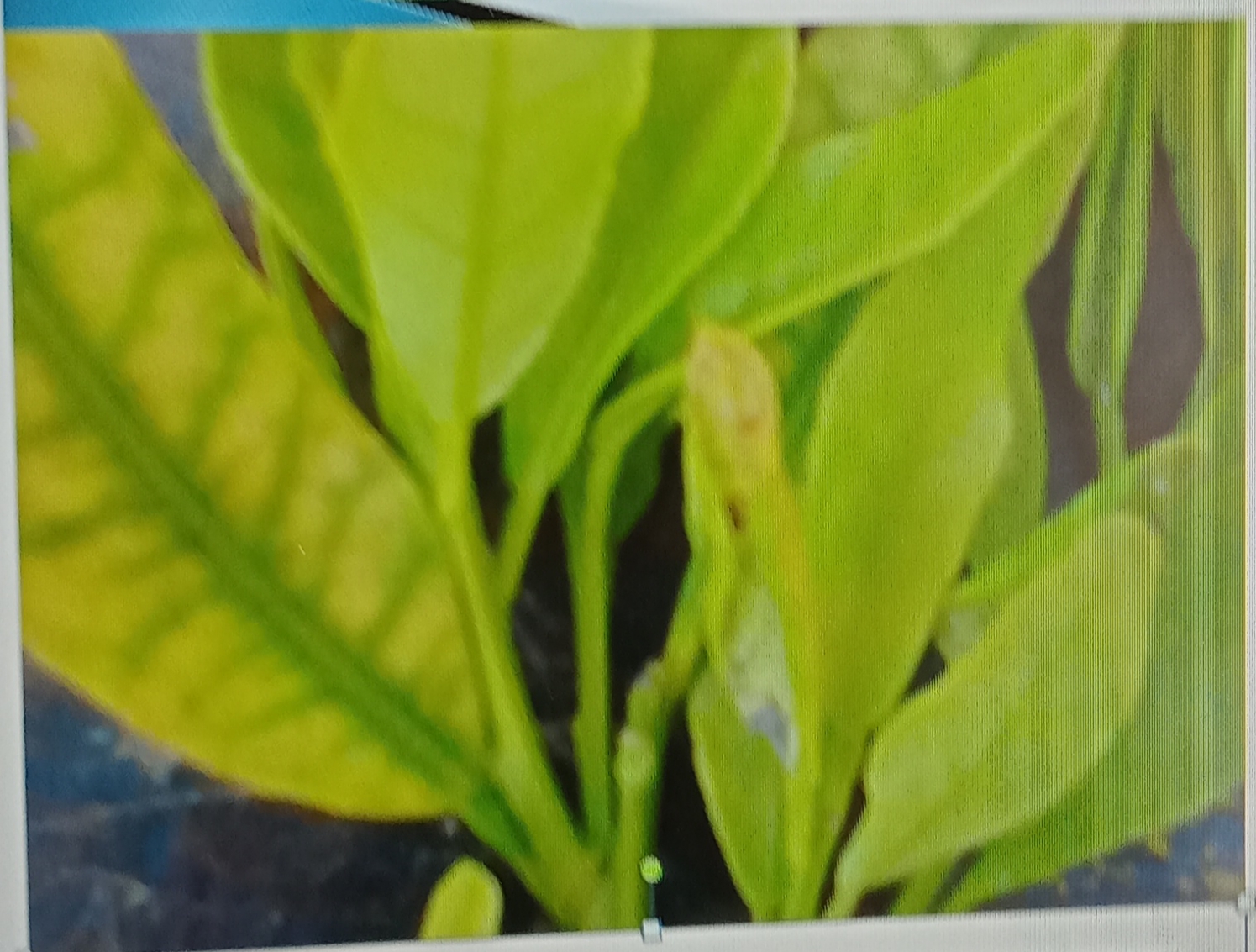
Introduction to the Issue:
The decline of citrus orchards, leading to the death of trees, reduced fruit quality, and a significant drop in production and productivity, has been primarily attributed to the bacterial disease "Citrus Greening." This has been confirmed through PCR (Polymerase Chain Reaction) tests conducted on samples collected from various locations. As a result, many new and old citrus orchards in Nepal are deteriorating at an alarming rate.
This disease is caused by a bacterium (Liberibacter spp). So far, no cure has been found. To prevent the spread of the disease to new areas and manage its expansion in infected regions to prevent an epidemic, several management measures can be implemented. The following measures should be carried out by all agricultural entities under federal, provincial, and local governments, as well as at the community level. Immediate attention from all concerned parties is needed.
1. Responsibilities of Federal and Provincial Government Agencies:
- Raise awareness about the negative impacts of this disease by organizing field-level training programs with expert participation.
- Establish nurseries inside semi-high-tech screen houses in vulnerable districts with 100% government subsidy to ensure healthy and quality seedlings are produced and distributed.
- Set up plant quarantine checkpoints at the provincial or district levels to prevent the entry of infected plants.
- Mandate compensation for the destruction of infected trees confirmed through laboratory tests, and enforce strict penalties for those who refuse to comply.
- It is the responsibility of the federal and provincial governments to take these steps, and local bodies should take complementary measures to ensure the sustainability of citrus crops in Nepal.
Failure to take these steps could lead to the extinction of citrus crops in Nepal within a few decades, leaving them only in textbooks. This would have a direct negative impact on the national economy.
2. Responsibilities of Local Governments and Communities:
- Do not transport or exchange infected plants in disease-affected areas.
- Avoid using scions from diseased trees for grafting and sterilize tools used for pruning before moving from infected to healthy plants.
- Remove and burn trees that are confirmed to be infected or display symptoms consistent with citrus greening.
- Since the disease spreads through the "Citrus Psylla" insect (Diaphorina citri), reduce the population of this insect through integrated pest management practices, including the use of insecticides.
- Remove alternative hosts of the "Citrus Psylla," such as Kamini and Ashare flowers, from around orchards and nurseries, and plant guava trees around citrus orchards as the insect dislikes the smell of guava leaves.
- Ban the establishment of citrus nurseries at altitudes below 1,000 meters above sea level and require that nurseries at higher altitudes produce and sell plants within protected screen houses.
- Conduct regular monitoring of orchards and nurseries to prevent the spread of this disease to new areas and collect leaf samples for PCR testing as necessary.
Conclusion:
If timely actions are not taken, the spread of this disease will severely affect citrus production, causing orchards to be wiped out. It is crucial to provide healthy seedlings for replanting in affected areas, offering 100% government subsidies to ensure a revival of the citrus industry. Appropriate legal measures should be taken to ensure these steps are implemented effectively. Moreover, citrus greening symptoms must be accurately diagnosed, and proper orchard management should be carried out to avoid mistaking this disease for nutrient deficiencies or other manageable issues.
Farmers must become aware of these issues, and government agencies must take responsibility for raising awareness through educational programs to preserve the sustainability of citrus production in Nepal.
"Astu"
Author Hari Prasad Subedi is a citrus fruit specialist.